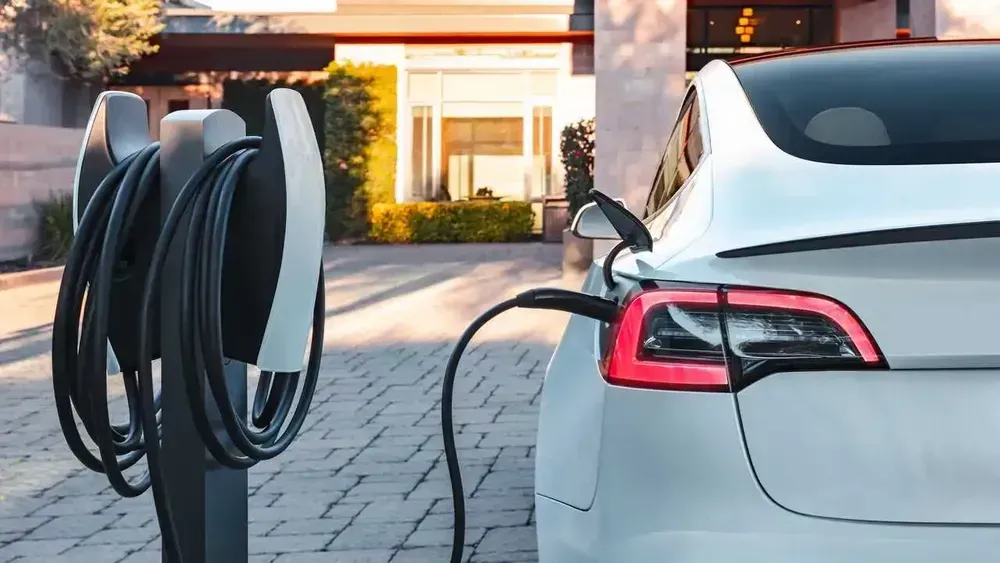
If you’re tired of rising gas prices and are considering the benefits of an electric vehicle, chances are you’re not alone.
But while the switch to an electric vehicle may seem like a no-brainer, there are some significant hurdles – including new problems caused by the conflict in Ukraine – that the electric vehicle industry is now facing, meaning demand is likely to outstrip supply for the time being.
Interest in Electric Vehicles
With oil prices hovering around 245 lekë/liter these days in Albania, electric vehicles are starting to look a lot more appealing to anyone looking to buy a car. But a combination of supply chain constraints, a global chip shortage, higher-than-average prices and low inventory at dealers will conspire to keep electric vehicles out of reach for most people.
Interest in switching from gasoline to electric power is at an all-time high. Car shopping site Edmunds reports that the number of people searching for hybrid or electric vehicles increased by 39 percent from February to March and 18 percent in the final weeks of April 2022.
Gas prices were already high (for a variety of reasons) before Russia’s invasion of Ukraine. Those higher prices are set to last for a while.
It’s hard to gauge whether the immediate demand for electric vehicles has increased as a result of the increase in fuel prices over the past month, but some initial numbers suggest that it may.
Electric cars can be hard to find in the short term. Like basically anything moderately expensive and complicated to make that you might want to buy these days, from furniture to electronics, electric vehicles are suffering from the same general supply chain and labor shortages that plague so many industries.
Battery Metal Prices
There is another major hurdle, specific to electric vehicles, that could be further complicated by the conflict in Ukraine: the precious metals and other raw materials that go into electric vehicle batteries. Elements like lithium, cobalt, and nickel are all key to producing the technology that makes electric vehicles move. These were already facing severe supply shortages thanks to the clean energy revolution: demand for lithium alone is projected to grow 70-fold by 2040.
Both Russia and Ukraine are significant suppliers or traders of many of these elements. While Russia’s current nickel deposits are small, one of the world’s largest nickel producers is a Russian company, which has not yet faced sanctions. Still, the idea of this company being cut off from the global market was enough to send buyers into a frenzy, and global nickel prices doubled in one day earlier this month. Shortly before the war, Ukraine began holding auctions to develop its reserves of lithium, cobalt, copper and nickel.
“Raw materials will be a problem for years to come,” Markus Düssmann, CEO of Audi, told the New York Times. Automakers and experts say that escalating tensions in Ukraine could accelerate development of metals elsewhere as demand for electric cars grows. But because it takes time to develop new sources of these important commodities — which also have their own serious environmental and justice issues — the industry is facing a long, perhaps painful, adjustment period.